

In this guide
Start with the bins at your address
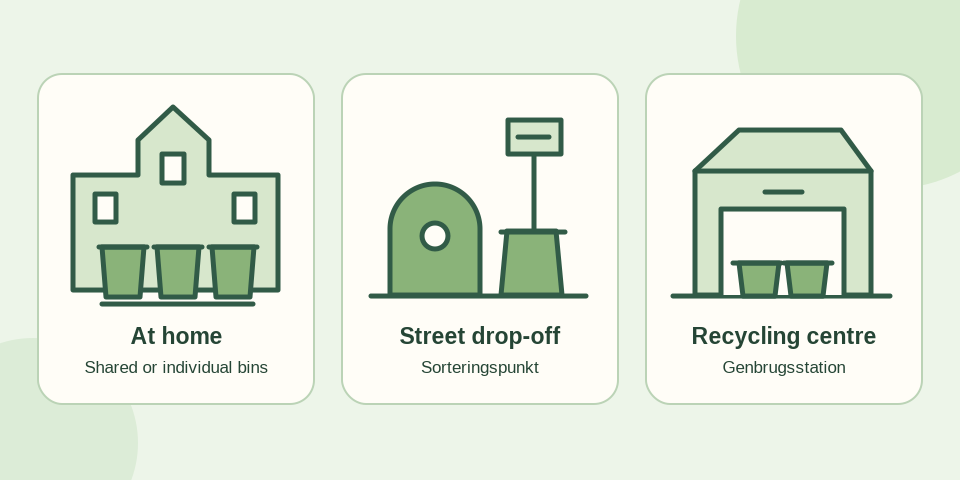
If you’ve just moved to Copenhagen, take a look around your courtyard or bin room before buying a set of kitchen bins. Your building may have its own containers for some materials and rely on a public drop-off point for others. Ask your landlord, caretaker or building’s waste contact which containers you should use and where the key or access code is kept. If you live in a house, check the containers provided at your address and the city’s collection calendar.
This guide is for Københavns Kommune, the City of Copenhagen. If your address is in Frederiksberg or another neighbouring municipality, use its own instructions. You can check the name and find local information on Mit Affald’s municipality pages. For Copenhagen’s official overview in English, start with Recycling in Copenhagen.
Learn the labels you’ll see most often
Look at the Danish words and pictograms next to each opening. The symbols help you recognise categories across the city, even when the container looks different. Here are the ten household waste pictograms you’re most likely to encounter.
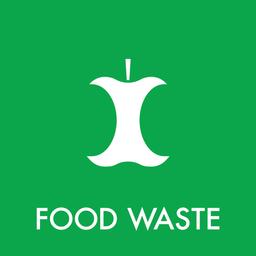

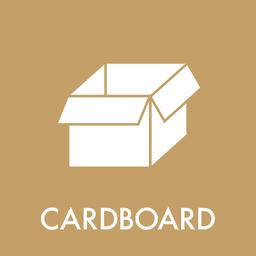

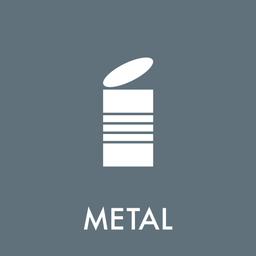
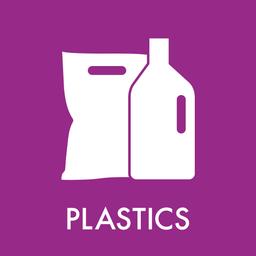


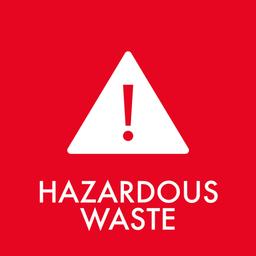
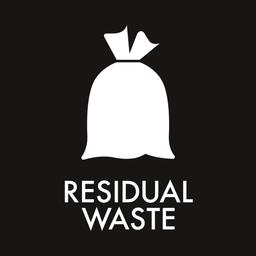
Start with madaffald for food waste, restaffald for residual waste, pap for cardboard and papir for paper. Glas is glass, metal is metal and plast is plastic. A milk or juice carton goes under mad- og drikkekartoner. In Copenhagen, those cartons are collected together with plastic, so you may see both symbols at the same opening. The last two labels are tekstilaffald for worn-out textiles and farligt affald for hazardous waste. There are also separate routes for batteries and electronics. Copenhagen’s carton guidance
You can start with a small container for food waste, one for residual waste and a box for dry recyclables that you empty regularly. Keep batteries and hazardous products separate while you check how your building collects them. For a fuller translation of the labels, see What do the Danish bin labels mean?.
Sort a takeaway meal from start to finish
A takeaway meal is a useful first test because one order can leave you with food, cardboard, plastic and a drinks container. Separate the parts before taking them downstairs.
- Food scraps. Put leftovers in one of the city’s green food-waste bags, tie the bag shut and use the food-waste bin. If you’ve run out, the city’s food-waste page links to instructions for getting more bags. Food waste and green bags
- Pizza box. Take out leftover crusts and other food. In Copenhagen, an emptied pizza box goes with cardboard. Grease stains are fine. Copenhagen’s pizza-box guidance
- Plastic tray or drink carton. Empty the packaging as well as you can, then use the shared collection for plastic and food and drink cartons if the packaging is accepted there. Check the item if the tray has several materials joined together or you can’t tell what it’s made of. Carton guidance · How clean packaging needs to be
- Bottle or can. Look for a pant mark before putting it in a recycling bin. Take deposit containers back through the return system. Our guide to pant in Denmark explains how to use the machines.
For anything you’re still holding at the end, choose Copenhagen in the Mit Affald sorting guide and search for it in English. The Affaldsguide Danmark app also lets you start with a photo when you’re unsure what an item is called.
Find the right drop-off point when a bin is missing
Use the city’s waste map to look up your address and check which materials nearby locations accept. The names on the map tell you what kind of place you’re looking at.
- Glascontainer or glaskube is a public glass container. Use it for accepted glass packaging, such as an empty jam jar or a wine bottle without a deposit, if your building has no glass bin. The city says emptying the jar is enough, so you can leave its label on. Check the guide separately for mirrors, ovenproof glass and ceramics. Copenhagen’s glass guidance
- Sorteringspunkt is a street-level group of bins for household recycling. Check the map or the labels before you set out, since the categories vary from one point to another. Copenhagen’s drop-off map
- Nærgenbrugsstation is a smaller neighbourhood recycling station. Check its hours and accepted items before going. The city’s guidelines specify that cars cannot enter these sites. Neighbourhood station guidelines
- Genbrugsstation or genbrugsplads is a full recycling centre. Use the Mit Affald recycling-centre finder to find options nearby, then check the city’s site list for current hours and what the individual site takes.
A practical example for a shared courtyard
Suppose the courtyard has openings for food waste, residual waste, paper, cardboard and the shared plastic-and-carton collection, but you can’t see a glass bin. Take the milk carton to the shared plastic-and-carton opening, then save the empty pasta sauce jar for the next trip past a glass container. Look for a glass symbol on the city map before heading out. If the glass container is full, try another location rather than leaving jars beside it. For anything missing from both the courtyard and the street, use the map to find a site that actually lists the material you’re carrying. City drop-off map
This is also worth checking if you inherit a kitchen sorting setup from the previous tenant. Their labels may describe how they stored things indoors. Match each bag or box to the sign on the actual collection opening when you empty it. If the building has two courtyards or entrances, ask which bin area belongs to your address. Taking a quick photo of your bin signs can save a second trip downstairs the first few times.
Check before taking batteries, paint or furniture downstairs
Ask your building contact where small electronics, batteries and hazardous waste are collected. Miljøskab means a collection cabinet, while miljøboks means a collection box. A half-full paint tin, a spray can and a broken electric toothbrush can require different arrangements. Keep batteries and electronics out of residual waste and use the route for your address. Copenhagen’s hazardous-waste guidance · Electronics guidance
If you’re getting rid of a sofa or mattress, look up stort indbo, the city’s term for large household items. Check whether the item is still usable, then ask your building contact about its collection arrangement or check which recycling centre accepts it. Arrange the route before you carry anything downstairs. A street sorting point is for the materials on its signs. Copenhagen’s large household items guide · ARC’s direct reuse scheme
Find collection days and report a missed pickup
Check your address in the Mit Affald waste calendar. If your address is supported, you can also use the app’s calendar to set reminders. Copenhagen has its own collection calendar and SMS service, which you can use to check the city’s schedule directly.
If a bin hasn’t been emptied, check the scheduled date and whether the city has posted a service notice. With a shared bin, ask your building’s waste contact whether someone has already reported it. You can find the city’s reporting route under Manglende tømning in Affald KBH’s contact guide.
The first week is easier if you know three things before the bins fill up. Find your building’s containers, locate the nearest glass drop-off and ask who handles batteries or hazardous waste. Once you have those routes, you can look up the unfamiliar items as they come up.
Sources and fact checking
Sources checked .
- City of Copenhagen – recycling in Copenhagen (English)
- Affald KBH – food waste and green bags
- Affald KBH – pizza boxes
- Affald KBH – food and drink cartons
- Affald KBH – emptying and cleaning packaging
- Affald KBH – glass
- Affald KBH – map of waste drop-off points
- Affald KBH – recycling centres and neighbourhood stations
- Affald KBH – neighbourhood station rules
- Affald KBH – hazardous waste
- Affald KBH – electronics
- Affald KBH – large household items
- ARC – direct reuse
- Affald KBH – collection dates and SMS reminders
- Affald KBH – contact and missed collections
Mit Affald is an independent guide. Always follow your municipality’s current official instructions.
Found a mistake?
Tell us what needs correcting. Please include an official source if possible. info@simplecode.dk